Marketing Automation in 2026: How to Save Time and Generate More Customers

Online marketing can take up a significant amount of time for businesses. Sending emails, following up with potential customers, publishing social media posts, and analyzing campaign results are all important activities. Especially for smaller companies, managing these tasks can become challenging. As a result, valuable opportunities may be missed, and interested customers may not receive a timely response.
Marketing automation allows businesses to automate certain marketing activities and improve their efficiency. By using smart software and predefined workflows, companies can reach customers at the right moment while reducing manual work. But how exactly does marketing automation work, and what opportunities does it offer in 2026?
1. What Is Marketing Automation?
Marketing automation involves using software to automatically perform specific marketing activities. Examples include sending a welcome email when someone subscribes to a newsletter or automatically following up after a potential customer requests a quote.
One of the biggest advantages is that businesses no longer need to perform every task manually. By setting up clear workflows in advance, different marketing activities can run automatically. This saves valuable time and allows employees to focus on other responsibilities while communication with potential customers continues.
2. Automatically Follow Up With Potential Customers
Not everyone who shows interest in your business becomes a customer immediately. Some people request information, download a brochure, or compare different services before making a decision. Without proper follow-up, these potential customers may eventually forget about your company.
Marketing automation makes it possible to create automatic follow-up messages. For example, someone who downloads an information brochure could receive a relevant email a few days later with additional details. This helps keep your business visible without requiring employees to contact every potential customer individually.
3. Make Customer Communication More Personal
Automation does not mean sending identical messages to every customer. In fact, using customer information effectively can help businesses create more personalized communication that matches the interests and needs of different audiences.
For example, you can divide your contacts into groups such as new leads, existing customers, and people interested in specific services. Each group can then receive information that is relevant to their situation. This makes communication more valuable and can increase the likelihood of recipients taking action.
4. Connect Marketing Automation to Your Website
Your website is often the first place potential customers interact with your business. Through contact forms, quote requests, and downloadable resources, visitors can express interest in your products or services. These interactions create opportunities to trigger automated marketing processes.
For example, when someone submits a contact form, your system can automatically send a confirmation email and forward the inquiry to the appropriate employee. New contacts can also be added to a customer relationship management (CRM) system. This helps businesses organize incoming requests and reduces the risk of overlooking important messages.
5. Use AI to Improve Marketing Processes
Artificial intelligence is playing an increasingly important role in marketing software in 2026. AI can support businesses by analyzing customer information, generating draft content, and identifying patterns in marketing performance. These capabilities can make certain activities faster and more efficient.
For example, AI-powered tools can suggest suitable email sending times or help organize contacts into different audience segments. However, businesses should always review automated recommendations and generated content. Marketing automation works best when technology is combined with human expertise and a clear marketing strategy.
6. Measure the Results of Your Automation
Marketing automation does not automatically guarantee better results. Businesses need to regularly evaluate whether their automated processes contribute to their marketing objectives. Important indicators include how many people interact with automated messages and how many leads eventually become paying customers.
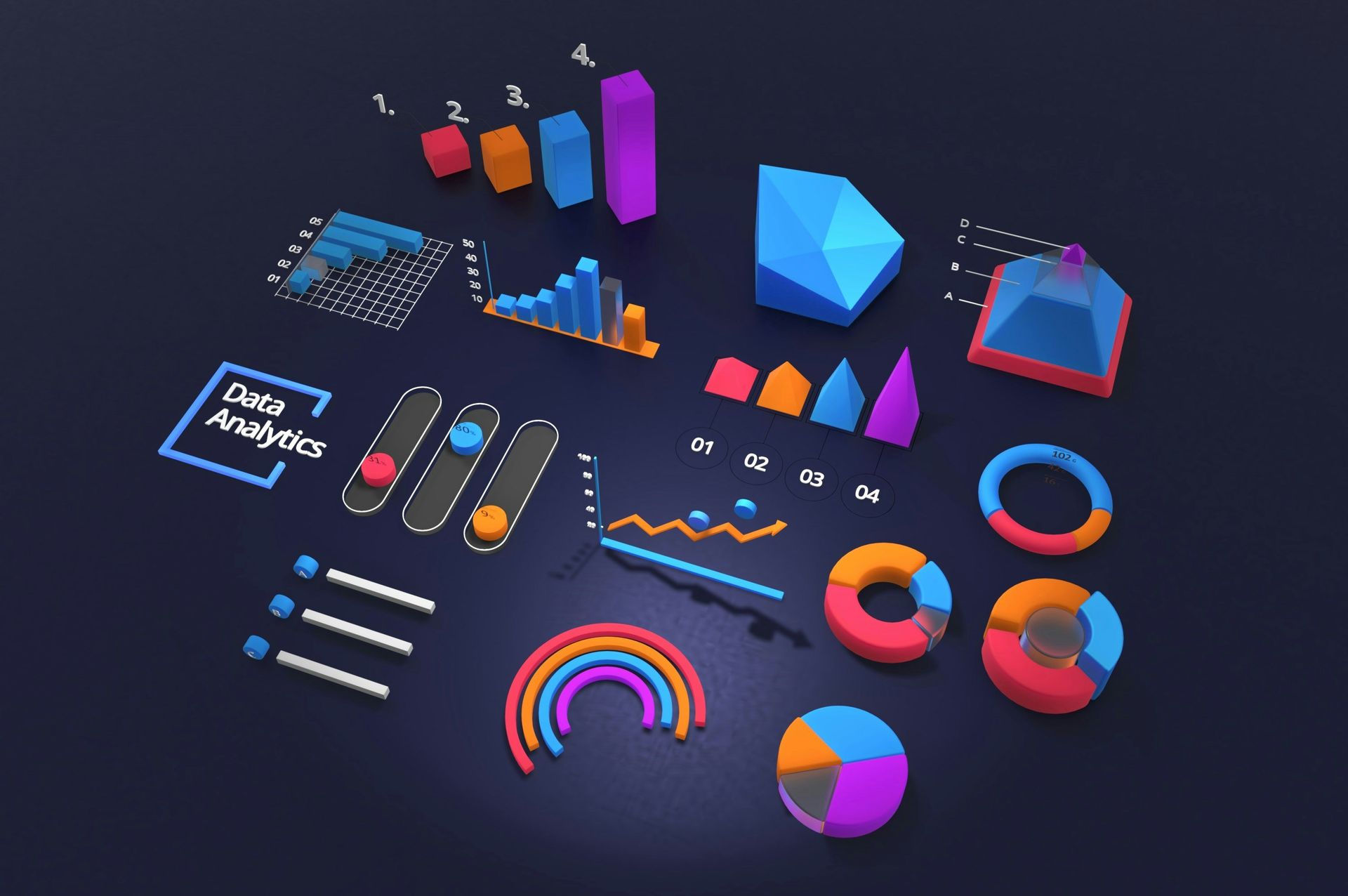
Many marketing platforms provide detailed performance statistics, including click-through rates, conversions, and lead generation results. By analyzing this information, businesses can identify successful workflows and discover opportunities for improvement. Continuous optimization helps ensure that automation remains effective.
Which Marketing Activities Can You Automate?
There are many marketing activities that businesses can automate. Common examples include sending emails, scheduling social media posts, collecting leads, and generating regular performance reports. Tasks that follow a predictable process and occur frequently are often particularly suitable for automation.
However, not every interaction should be automated. Personal communication remains important, especially when customers have specific questions or require professional advice. A successful marketing strategy combines automated workflows with genuine human interaction, allowing businesses to work efficiently without losing their personal approach.
What Should You Consider Before Using Marketing Automation?
Before implementing marketing automation, businesses should clearly define their objectives. Do you want to respond to inquiries faster, generate more sales, or spend less time on repetitive tasks? Establishing clear goals makes it easier to determine which processes should be automated and which tools are most suitable.
It is also important to handle customer information responsibly. Businesses operating in the European Union must consider the GDPR and applicable electronic marketing regulations. Obtain consent where required, provide clear unsubscribe options, and regularly review automated messages to ensure they remain accurate and relevant.
Conclusion: Work Smarter With Marketing Automation
Marketing automation offers businesses valuable opportunities to save time and improve their digital marketing activities in 2026. By automating repetitive tasks, companies can follow up with potential customers more efficiently and give employees additional time to focus on important responsibilities.
Want to achieve better results with your digital marketing? At Marcom.eu, we help businesses develop and improve effective online marketing strategies. From SEO and Google Ads to attracting new customers, we focus on helping your business grow through smarter marketing decisions.
Discover how we can help your business at www.marcom.eu.
ALL OUR OTHER NEWS: